
Gemstone Cuts: Where Art, Science, and Timeless Beauty Meet
Behind every jewel lies a fascinating story, one shaped by centuries of craftsmanship, innovation, and passion. From roughly polished stones to round brilliant diamonds cut with almost mathematical precision, the art of shaping minerals has continually evolved over time.
The form of a piece of jewelry, and especially that of the gemstones it features, is one of the elements that gives it the most character. A solitaire set with a round stone does not express the same elegance as one adorned with a marquise: each cut carries its own personality, brilliance, and language.
A well-chosen stone is, above all, a well-understood one. Here is a look into this world where nature, science, and beauty converge.
From Rough Stone to Radiant Gem
Since the discovery of precious stones, humans have sought to reveal their beauty. Early gems were often worn almost as they were, lightly polished or shaped into cabochons—a smooth, domed form still appreciated today.
Over time, tools became more refined, abrasives improved, and artisans realized that by adding facets, light could be reflected and enhanced. Each facet acts like a small mirror, capturing and returning light with brilliance.
Across the centuries, this expertise evolved into a true art form. With modern advancements, it also became a science. The pinnacle of this evolution is undoubtedly the round brilliant cut, designed to maximize brilliance through precise angles and a meticulous arrangement of facets. Nothing is left to chance: proportions, symmetry, and geometry work together to create that incomparable fire admired for generations.
The Lapidary: The Artist Behind the Stone
Behind every creation stands an exceptional artisan: the lapidary.
Their work goes far beyond simply cutting a gem. They must observe the rough stone, understand its structure, identify inclusions, respect its color, and anticipate the best way to reveal its full potential. Every decision matters: preserving more weight or prioritizing brilliance, enhancing color or maximizing light, choosing a classic or more daring shape.
The lapidary combines artistic sensibility, technical expertise, and extreme precision. Their craft requires as much intuition as discipline, as much skill of hand as of eye.
Not Every Cut Suits Every Stone
There is no universally perfect cut. Certain shapes enhance specific gemstones depending on their transparency, hardness, color, or natural inclusions.
Diamonds shine brilliantly in round, princess, or oval cuts.
Emeralds are often shaped in step-cut rectangles, which better protect their delicate edges.
Sapphires and rubies lend themselves beautifully to cushion, oval, or pear cuts.
More opaque gemstones, such as opal, turquoise, or moonstone, are especially enhanced by cabochon cuts, which highlight their softness and play of light.
Choosing the right cut means respecting the very nature of the mineral.
The Main Gemstone Cuts
Here are some of the most well-known and widely used cuts, though many more exist. In this art, imagination and the lapidary’s skill are the only limits.
Round Brilliant: The Timeless Classic
The round brilliant cut remains the most popular worldwide, representing about three-quarters of stones on the market. Its exceptional brilliance comes from precise calculations of angles and facets. Elegant and luminous, it transcends trends without ever losing its prestige.
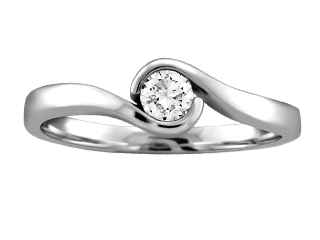
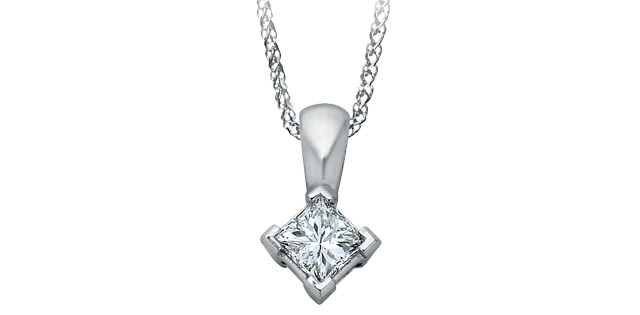
Princess: Modern and Radiant
Square and dynamic, the princess cut stands out for its clean lines and strong brilliance. It is the second most popular shape.
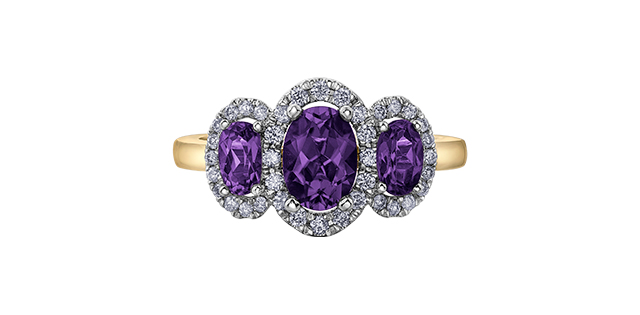
Oval: Soft and Refined
Elongated and graceful, the oval cut often appears larger than other shapes of the same carat weight.
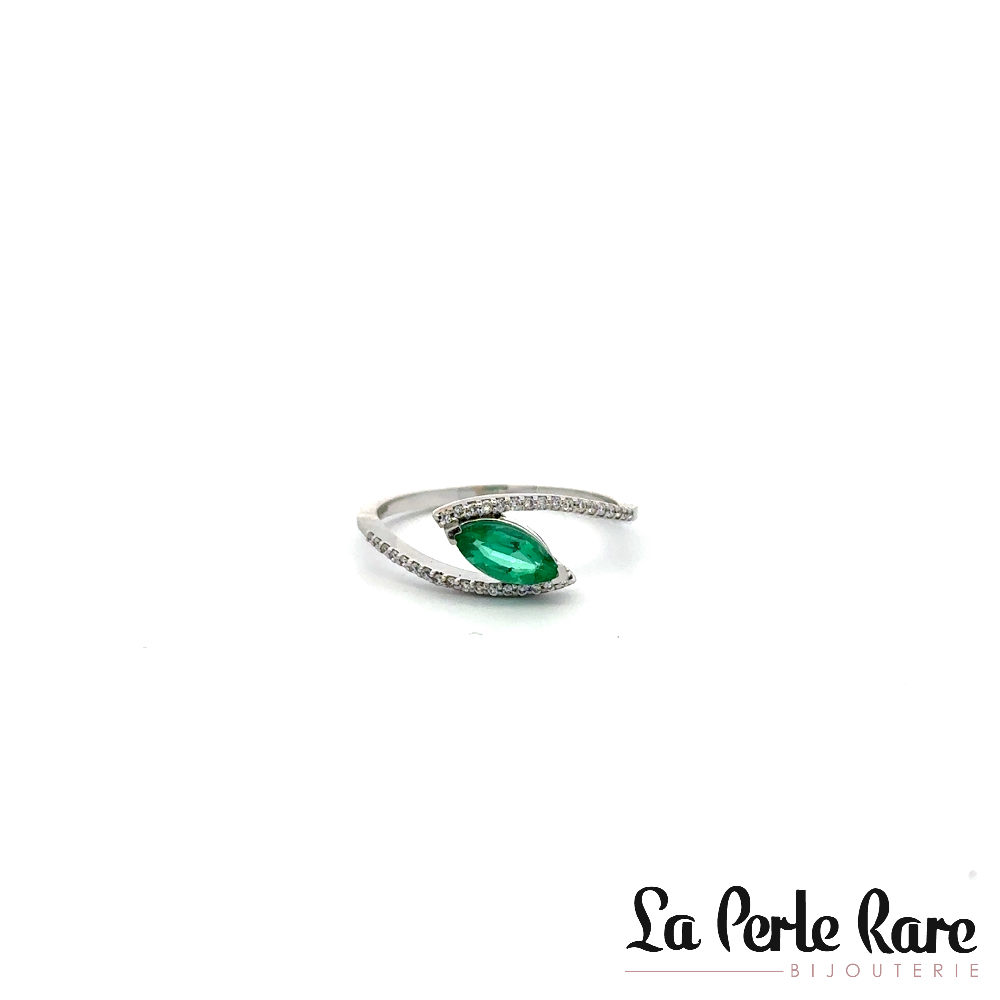
Marquise: Regal and Bold
With its pointed ends, the marquise cut draws the eye and visually elongates the finger.
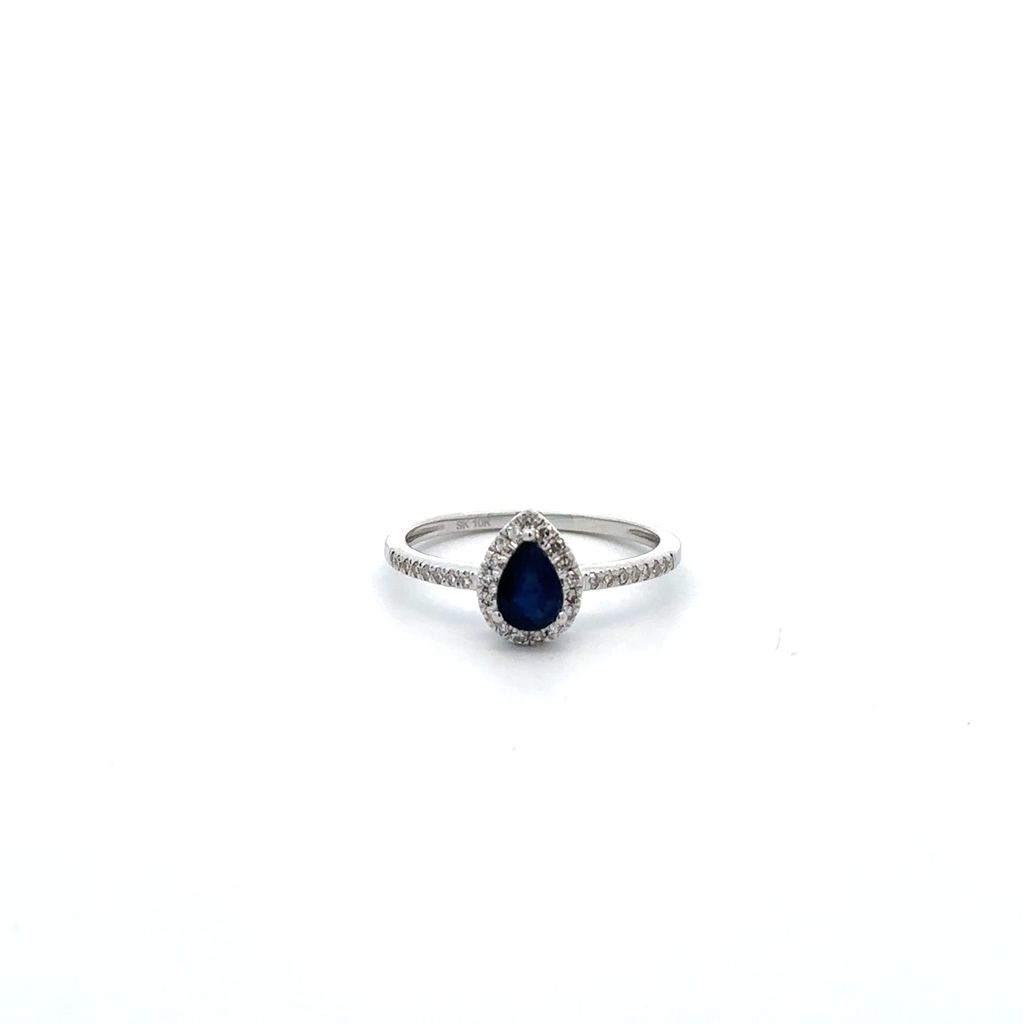
Pear: Distinctive and Harmonious
Blending softness and sharpness, the pear cut combines romance with individuality.
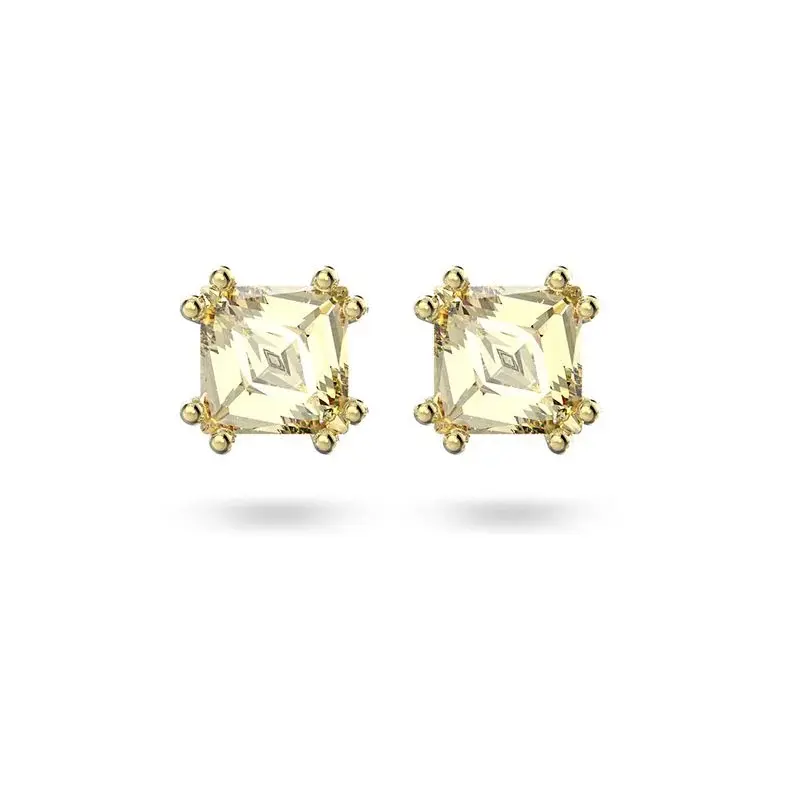
Cushion: Vintage Charm
With its rounded corners, the cushion cut evokes antique jewelry and offers a warm, soft brilliance.
Emerald: Understated Prestige
Its long step facets emphasize clarity and the noble character of the stone.

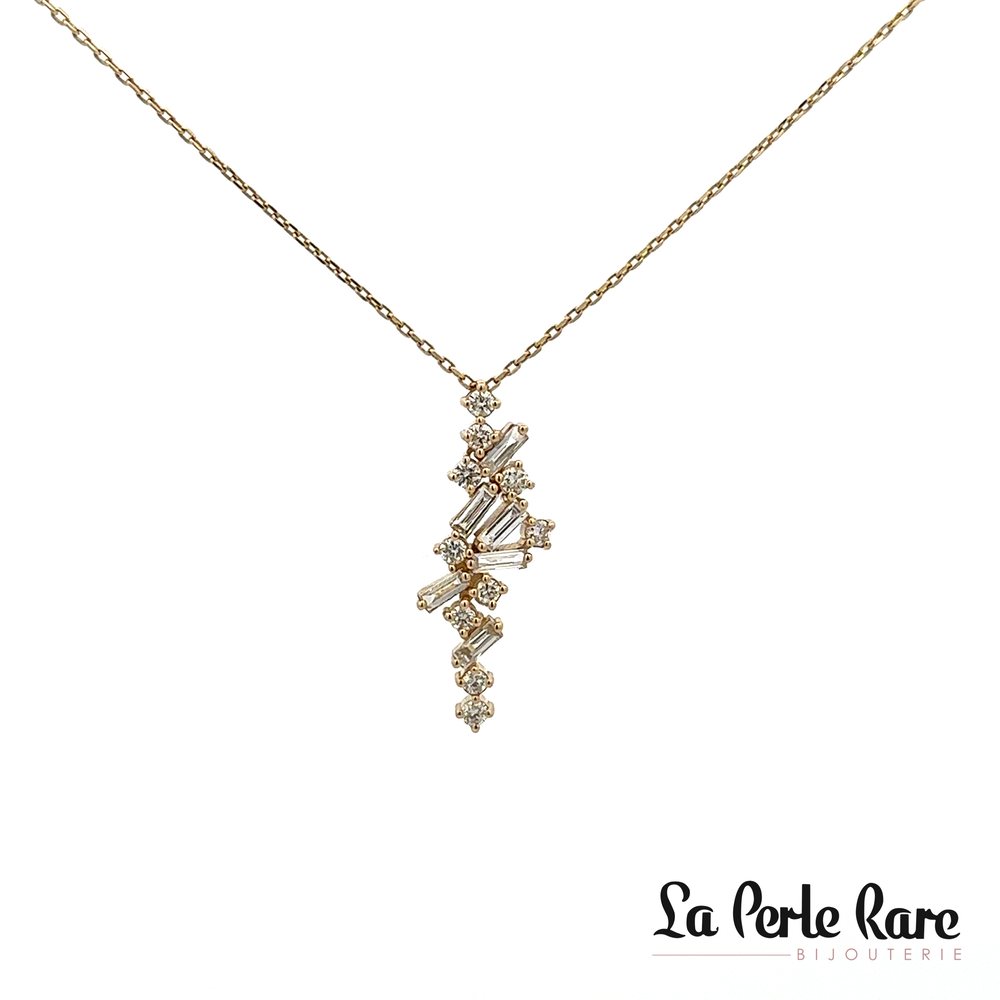
Baguette: Architectural Elegance
Often used as an accent, the baguette cut adds structure and refinement.
The Ideal Shape? The One That Reflects You
Beyond trends, the best cut is the one that matches your style, your hand, and the emotion you seek.
For over 40 years, we have believed that an exceptional piece of jewelry is born from the meeting of a beautiful stone, authentic craftsmanship, and your personal story. We are always pleased to guide you toward the gem that will shine for you—today and for years to come.
Sources: Gem Rock auctions, Juwelo,