
Sapphire, September’s Birthstone
When Blue Becomes a Precious Gem
In September, sapphire takes center stage. The birthstone of those born this month, it is also associated with sapphire wedding anniversaries, celebrated after 16 or 45 years of marriage, depending on the tradition. And while its intense blue is one of the most recognizable colours in the world of precious gemstones, sapphire still holds a few surprises.
In fact, sapphire is not always blue. It can be pink, yellow, orange, green, violet, or even colourless. To understand why, we first need to look at its mineral family: corundum.
Behind this elegant and timeless gemstone lies a story that takes us from deep within the Earth to the watch crystals we wear today. Along the way, it also leads us into a fascinating story about the emergence of… blue.
Why Is Sapphire Blue?
Sapphire belongs to the corundum family, a mineral composed of aluminum oxide. When perfectly pure, which is very rare, corundum is colourless. Tiny traces of certain chemical elements are what give it its different hues.
Corundum has an interesting characteristic in the world of precious gemstones: depending on its colour and certain chemical properties, it can take on two well-known names: “ruby” when it is red, and “sapphire” for all other colours.
Sapphire and ruby therefore belong to the same mineral family. In blue sapphire, iron and titanium are responsible for its colour. In ruby, chromium gives the gemstone its red hue.
The formation of corundum requires specific geological conditions. Some corundum forms in metamorphic rocks, meaning rocks transformed by extremely high temperatures and immense pressure. Other deposits occur in volcanic rocks.
Over time, erosion breaks down the surrounding minerals, releasing the crystals. These are then carried by water before accumulating in river gravels and other alluvial deposits.
It is fascinating to think that the sapphire delicately set into a piece of jewelry today was likely formed millions, or even hundreds of millions, of years ago.
Sapphire: A Gemstone of a Thousand Colours
This is probably one of the first surprises September’s birthstone has in store: sapphire is not always blue. In fact, it comes in an entire palette of colours.
So why do we think of blue when we talk about sapphire? Quite simply, when used on its own, the word “sapphire” generally refers to blue sapphire, the most commonly recognized variety. When a sapphire is another colour, that colour is usually specified.
Sapphires can display an astonishing range of hues: yellow, pink, orange, green, violet, purple, grey, brown, or even colourless, which is very rare in nature. Some also display a particularly fascinating phenomenon known as asterism. Fine rutile needles create the appearance of a star within the stone, giving rise to what is known as a “star sapphire.”
Among the most sought-after sapphires is the padparadscha, whose colour falls somewhere between pink and orange. Its name, of Sinhalese origin, is associated with the colour of the lotus blossom.
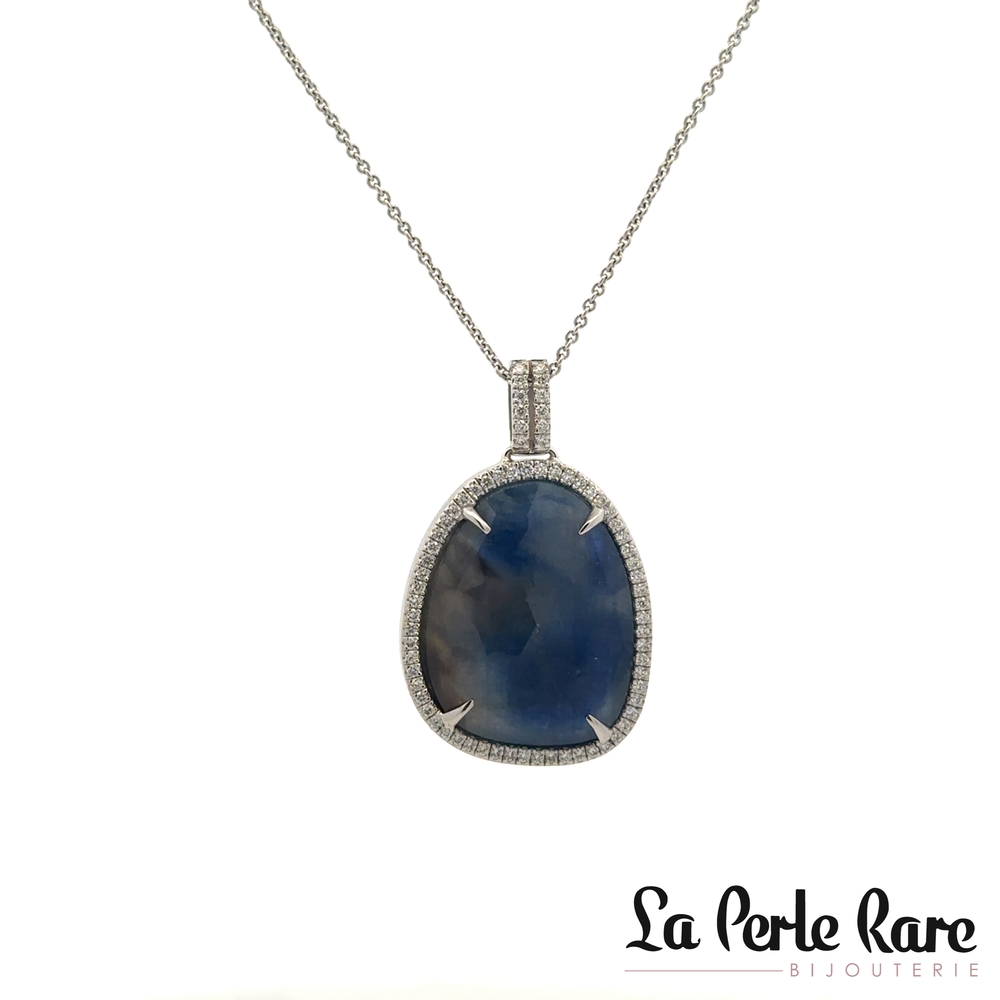
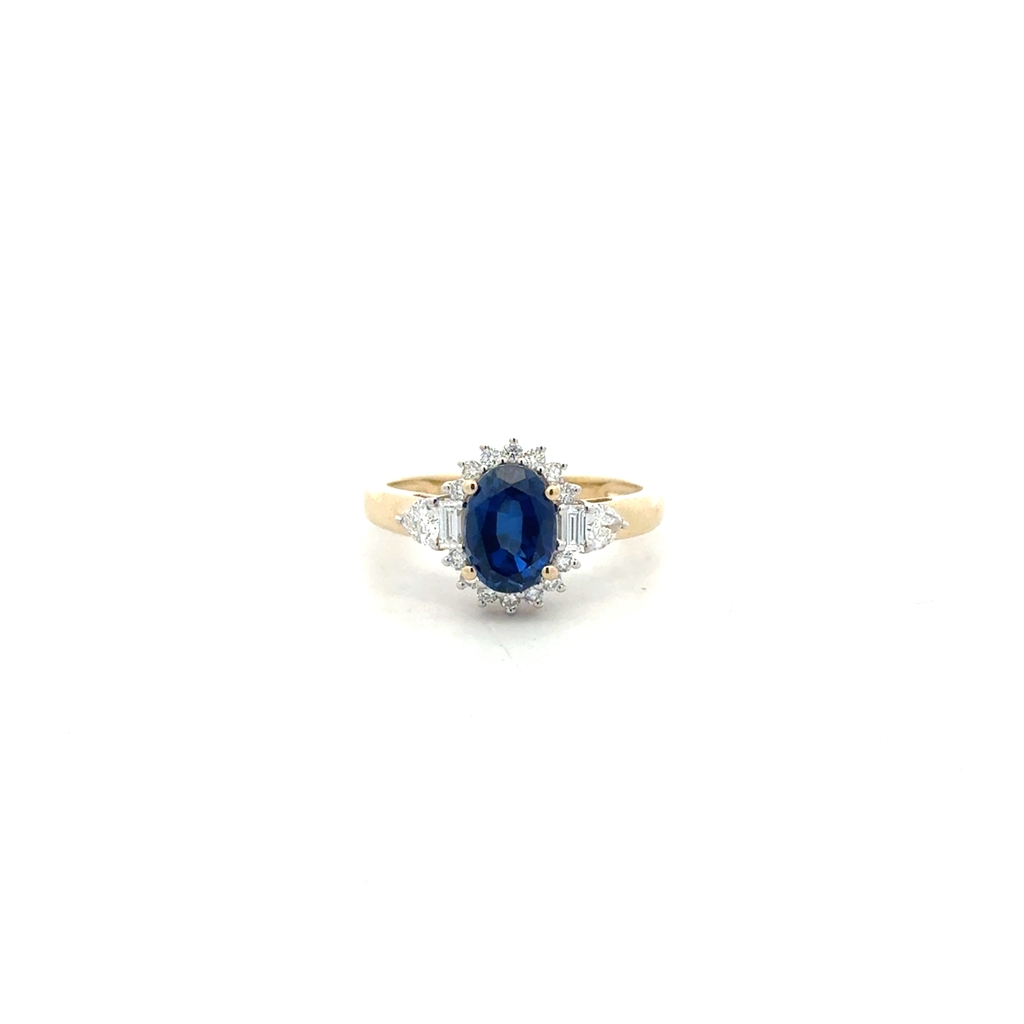
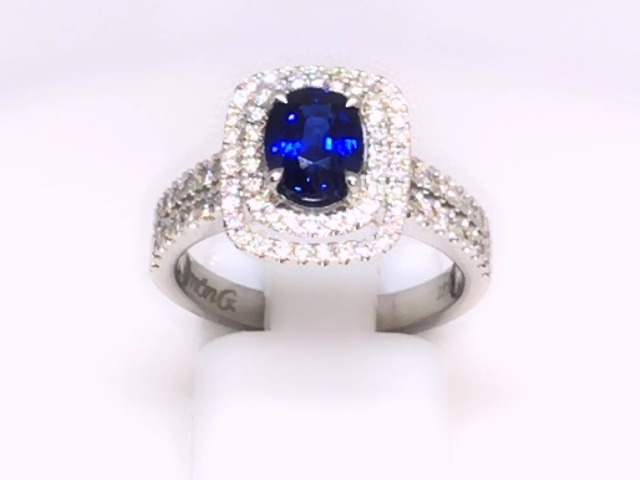
This remarkable palette also opens up a world of possibilities in jewelry. A blue sapphire naturally evokes classic elegance, while a pink or yellow sapphire can give a piece an entirely different personality. If you are hesitating between several colours, come see them in person at one of our two La Perle Rare locations: a gemstone’s colour responds to light, the metal surrounding it and, of course, your skin tone.


Where Do Sapphires Come From? A Journey Around the World
Sapphires come from several regions around the world. Some of the best-known sources include Sri Lanka, Myanmar, Kashmir, and Madagascar, as well as Australia, Thailand, Cambodia, Tanzania, and the United States.
Sri Lanka, formerly known as Ceylon, holds a special place in the history of sapphire. The island has been a source of precious gemstones for at least 2,000 years and is highly renowned for its blue gems as well as sapphires in many other hues.
Kashmir, meanwhile, has produced some of the world’s most famous sapphires. Since the late 19th century, its gems have been prized for their intense, velvety blue. Madagascar has also become a major source of sapphires, with deposits that have significantly expanded the global supply.
Geographic origin alone, however, is not a guarantee of quality. As with all gemstones, colour, transparency, cut, inclusions, and any treatments play an important role in determining the value of a sapphire.
A History Spanning the Centuries
Sapphire’s popularity is far from a recent trend. This gemstone has fascinated civilizations for thousands of years. In Antiquity, Greek and Roman elites attributed protective powers to it and associated it with virtue and protection from evil. During the Middle Ages, blue sapphires also found their place in the clothing and jewelry of the clergy, where their colour evoked the sky and spirituality.
Over the centuries, sapphire developed an image as a precious gemstone associated with royalty, wisdom, fidelity, and nobility. Its beauty, combined with its remarkable hardness, has made it particularly prized for jewelry designed to stand the test of time, including engagement rings.
The Fascinating History of Blue
Since blue is the colour that naturally comes to mind when we think of sapphire, let us take a moment to consider the colour itself.
Today, the word “blue” seems self-evident. The sky is blue. The sea is blue. Sapphire is blue. Yet the way we name colours has evolved considerably over time. In Homer’s Odyssey, for example, the sky and sea are described extensively. Yet there is no word that corresponds exactly to our modern concept of “blue.” Instead, descriptions rely on ideas such as light and dark, white and black, as well as appearances associated with materials and light.
The ancient Greeks could nevertheless see blue perfectly well. The absence of a precise word for the colour certainly does not mean they were unable to perceive it. Instead, it reveals something particularly interesting: the way we categorize colours depends on our language and culture. The sky has always been there. So has the sea. But the words we use to describe them have changed.
And today, when it comes to sapphire, blue seems so natural that it is difficult to imagine it any other way.
Natural or Synthetic Sapphire: What Is the Difference?
Synthetic sapphires have been produced since the beginning of the 20th century using a process developed in 1902 by chemist Auguste Verneuil. The term “synthetic” can sometimes be misleading. A synthetic sapphire is not an imitation. It is genuine corundum, but one that has been created artificially. It has the same chemical composition and the same fundamental physical and optical properties as corundum found in nature. The difference? One formed naturally in the Earth; the other was created by humans under controlled conditions.
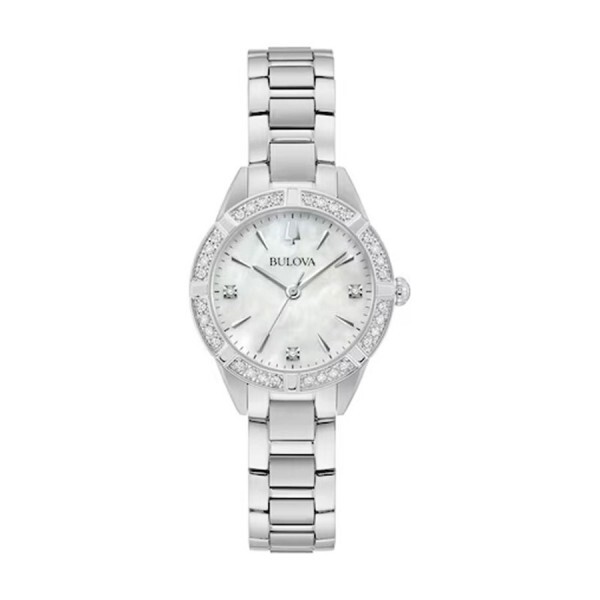
In fact, you may already be wearing synthetic sapphire without even realizing it: take a look at your watch. Sapphire glass, also known as sapphire crystal, is widely used in watchmaking and is highly valued for its excellent scratch resistance. With a hardness of 9 on the Mohs scale, sapphire ranks just below diamond.
Lab-grown sapphire, as it is also known, is becoming increasingly common in jewelry as well.
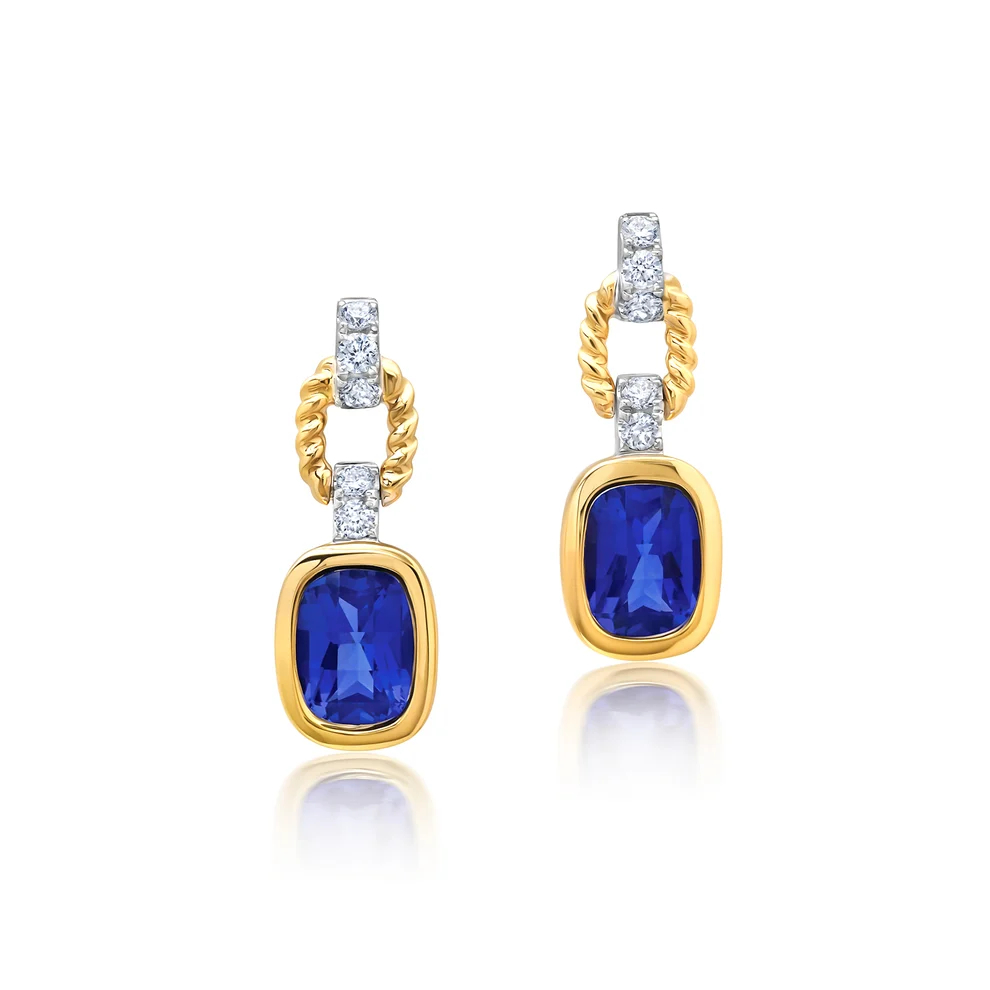
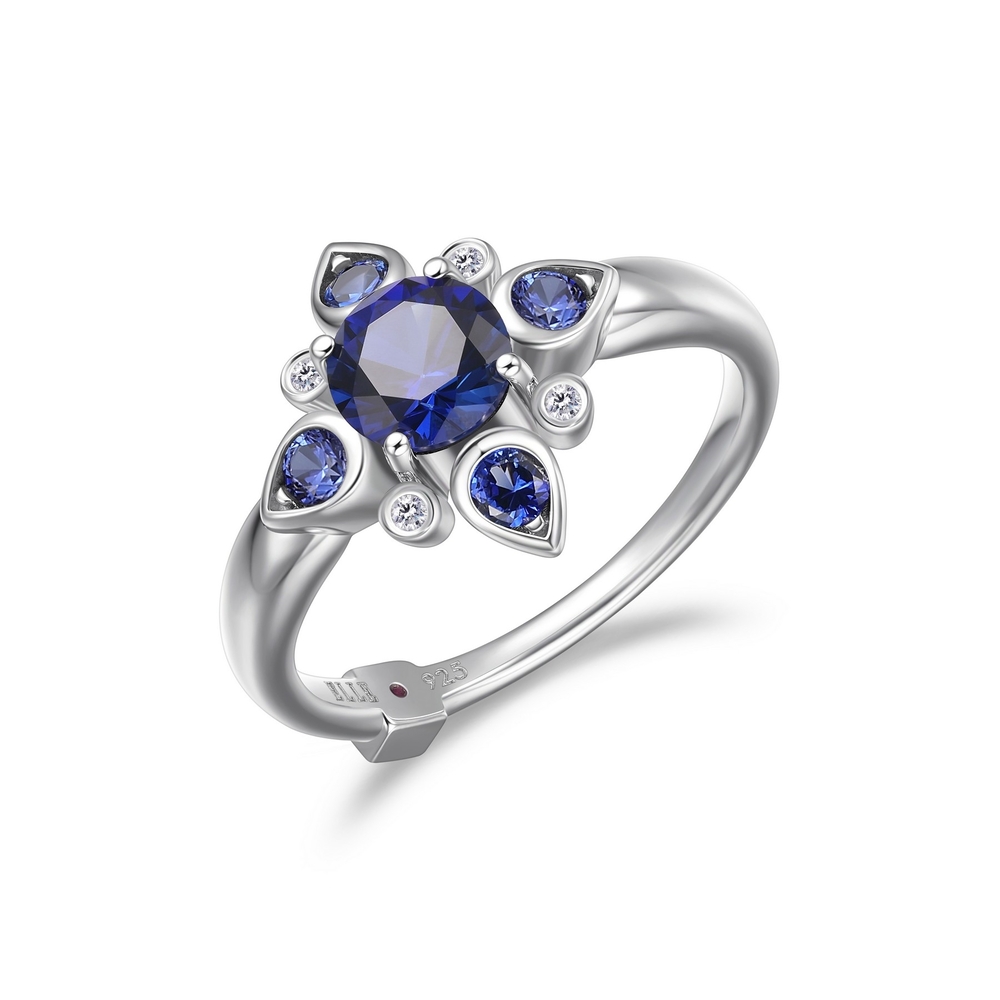
A Gemstone for September… and for the Years That Pass
Sapphire is the birthstone of September, but it also accompanies couples as they commemorate important milestones in their lives. According to European tradition, sapphire may be used to celebrate a 16th wedding anniversary. In the Anglo-Saxon tradition, the sapphire anniversary marks 45 years of marriage.
The symbolism is easy to understand. With its remarkable durability and timeless beauty, sapphire naturally evokes the strength of a lasting relationship. Like the gemstone itself, a story that unfolds over many years is never just one colour. It evolves, transforms, and gathers nuances and memories along the way. And like sapphire, it can retain its brilliance while carrying the traces of time.
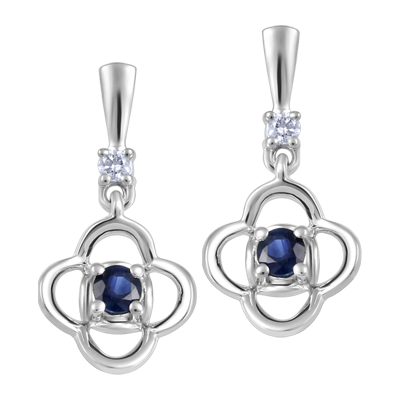
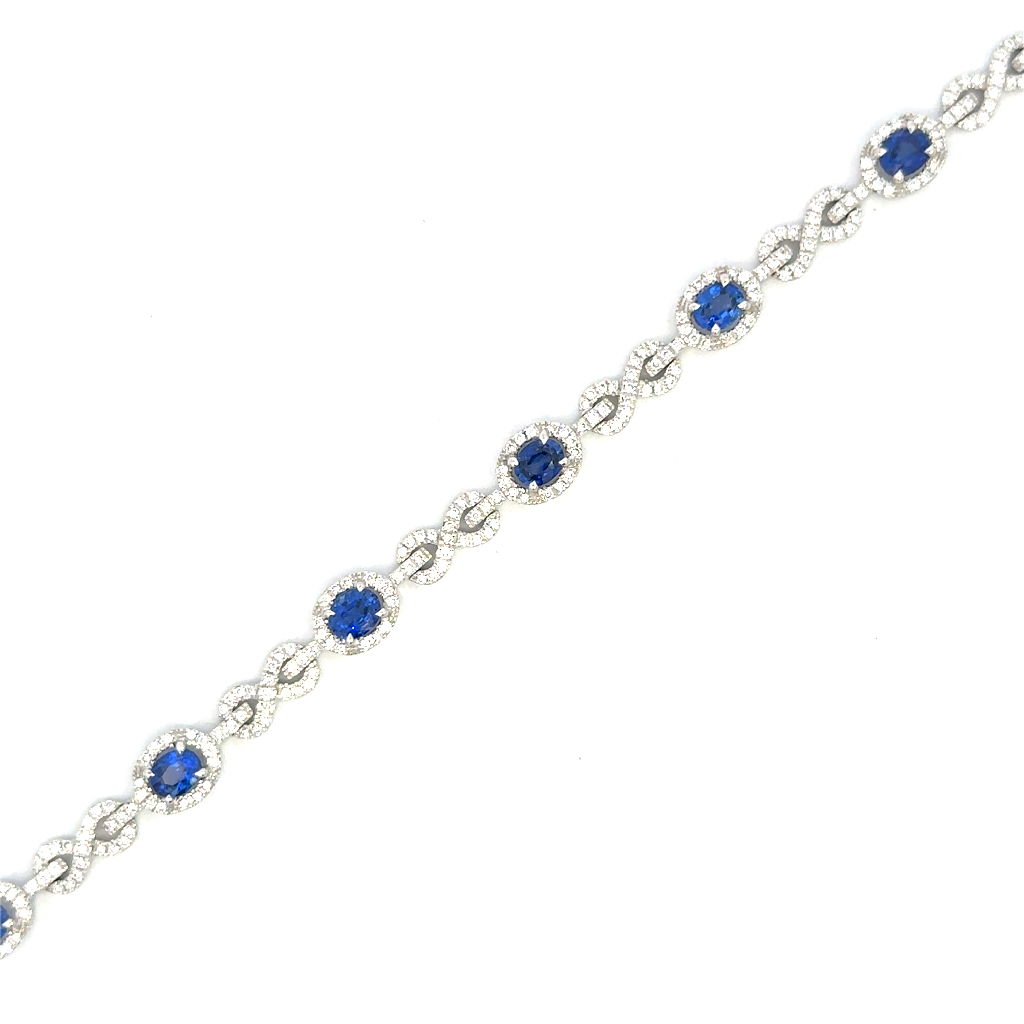
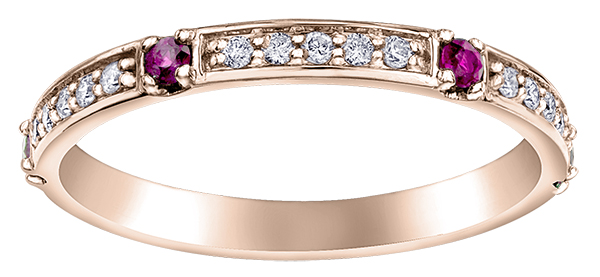
If September has inspired you to embrace sapphire, whether to celebrate an anniversary, give a birth gift, or simply treat yourself, visit us at La Perle Rare. Our team will be happy to introduce you to its many colours and help you find the gemstone that truly reflects your tastes and style.
Sources :Wikipedia(bleu), Wikipedia(saphir), Vuillermoz, InfoBijoux